Ham Carving

The art of a good cut

Everything you need

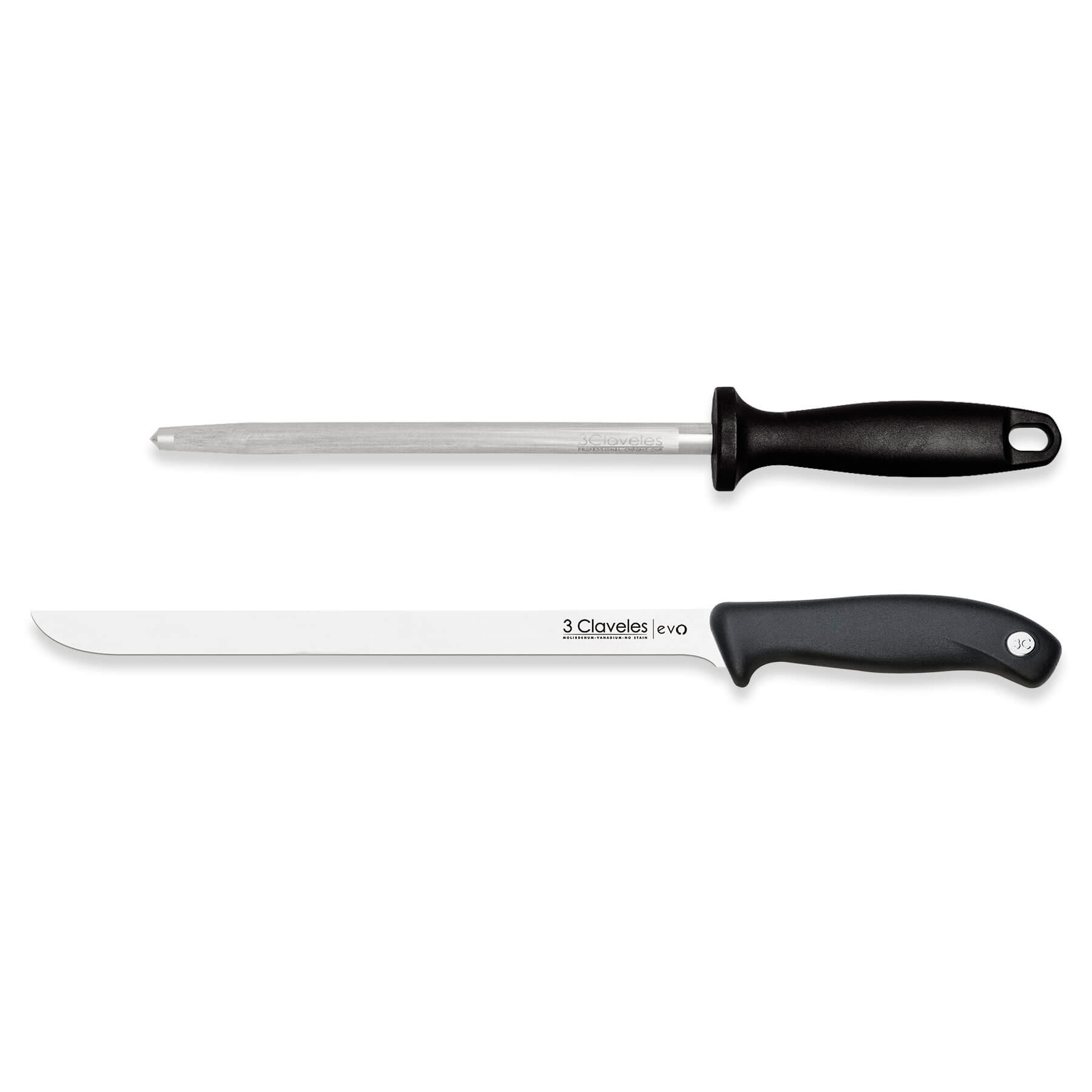
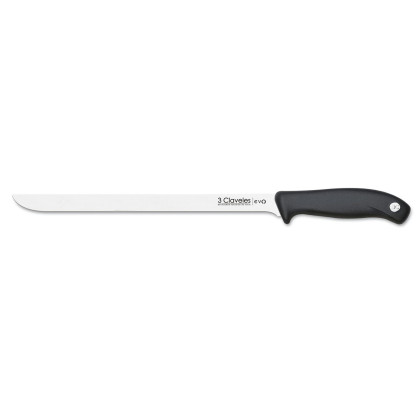
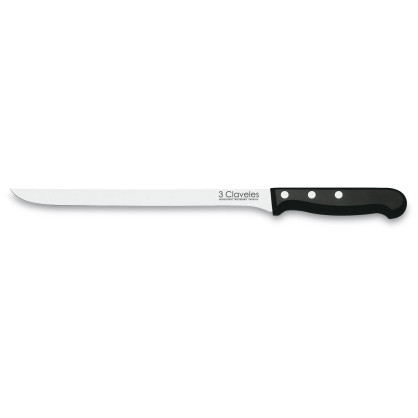
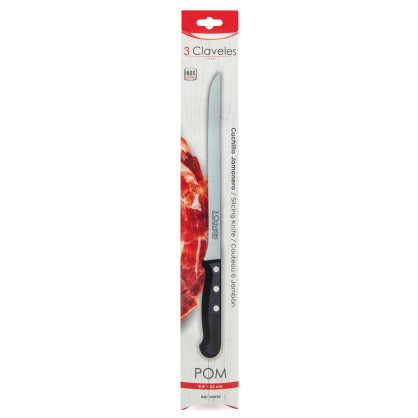
Ham knives

Art of cutting

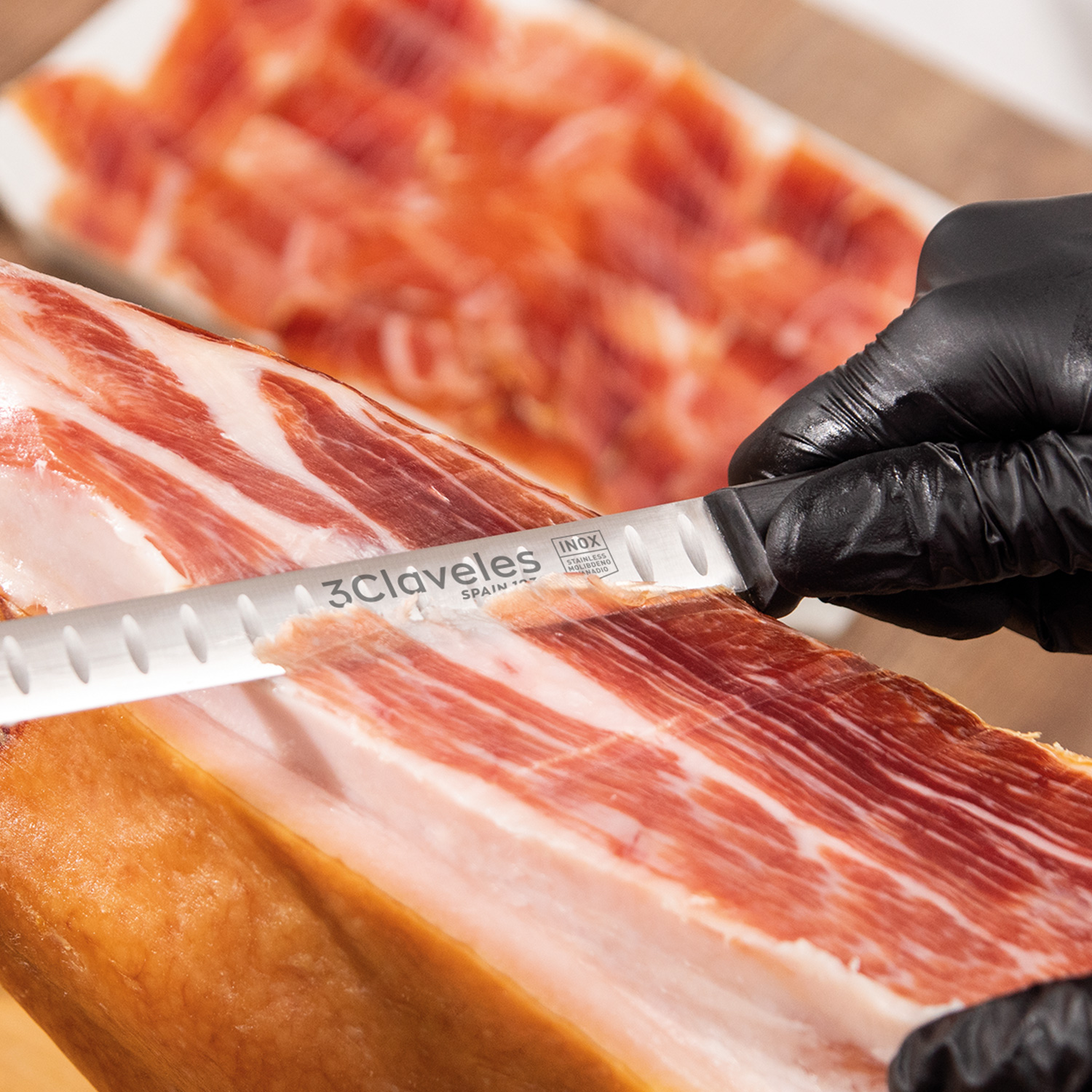
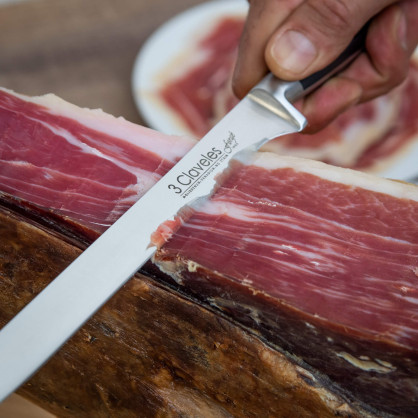
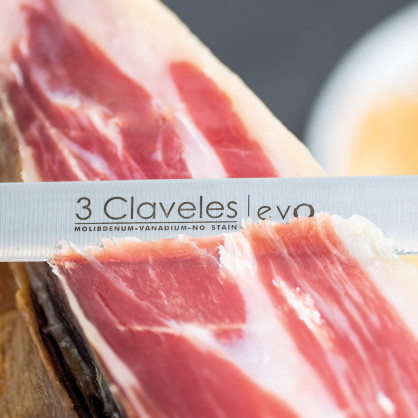
Every slice of ham tells the story of its curing process, aroma, and texture. A good ham knife moves naturally with your hand, achieving that thin, translucent cut where the fat melts and the full flavor of the piece is released. It is the essential tool that turns ham slicing into the centerpiece of any gathering.

Evolution alongside master slicers

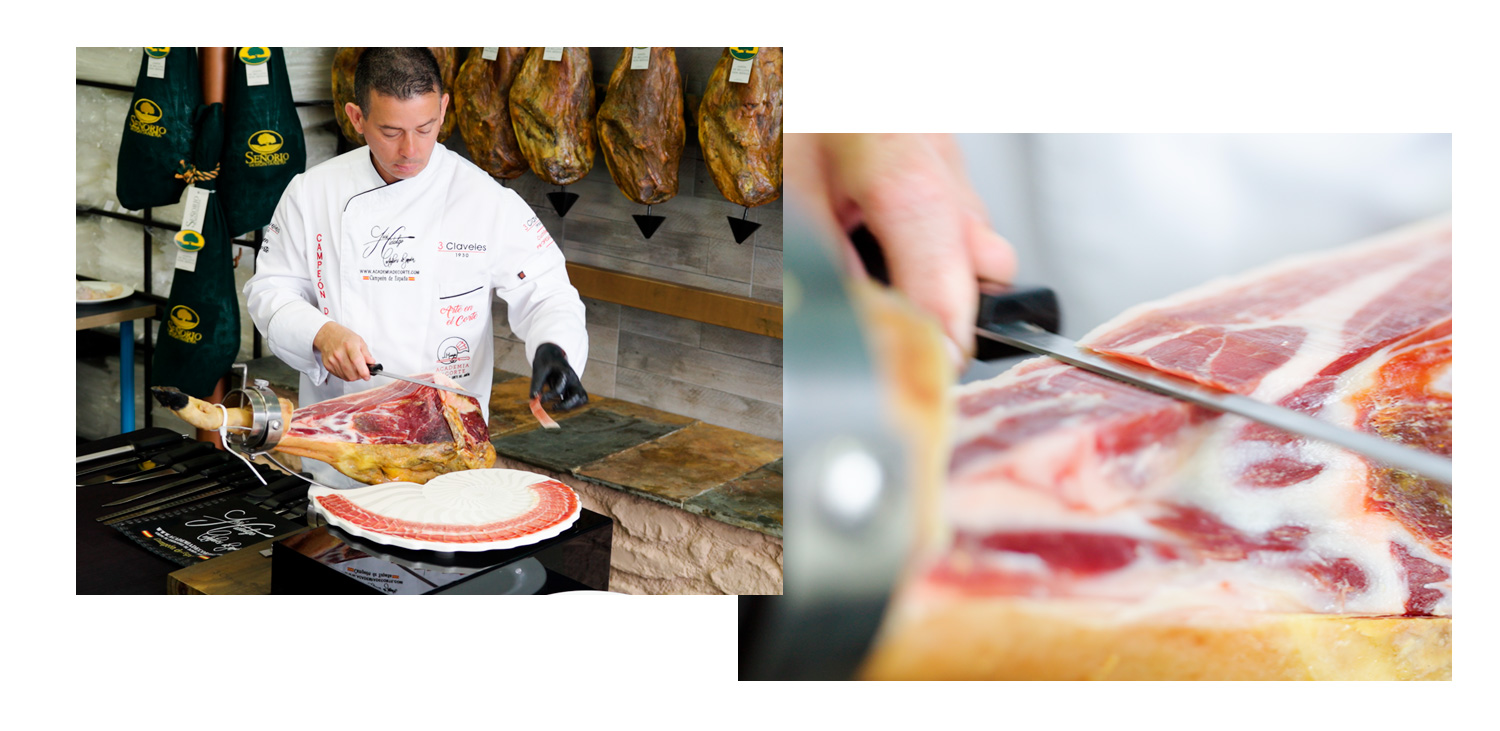
The 3Claveles ham range is designed and refined by working directly with industry professionals.

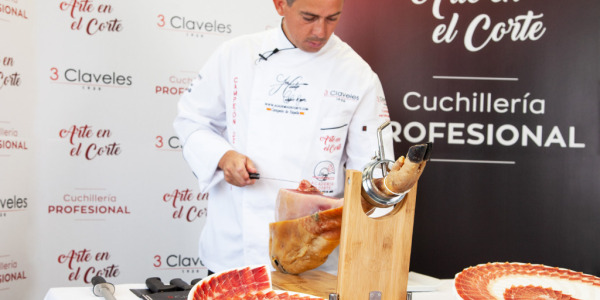
Since 2014, we have partnered with José Manuel Hidalgo, Spain’s National Ham Slicing Champion, testing every tool under high-level competition standards. His technical expertise helps us adjust weight balance, exact blade flexibility, and steel performance during intensive use.

Combining our industrial heritage since 1930 with the needs of top master slicers allows us to manufacture reliable tools. 

All about ham carving

FAQs

What basic tools are needed to start slicing a whole ham?

You need three essential tools:

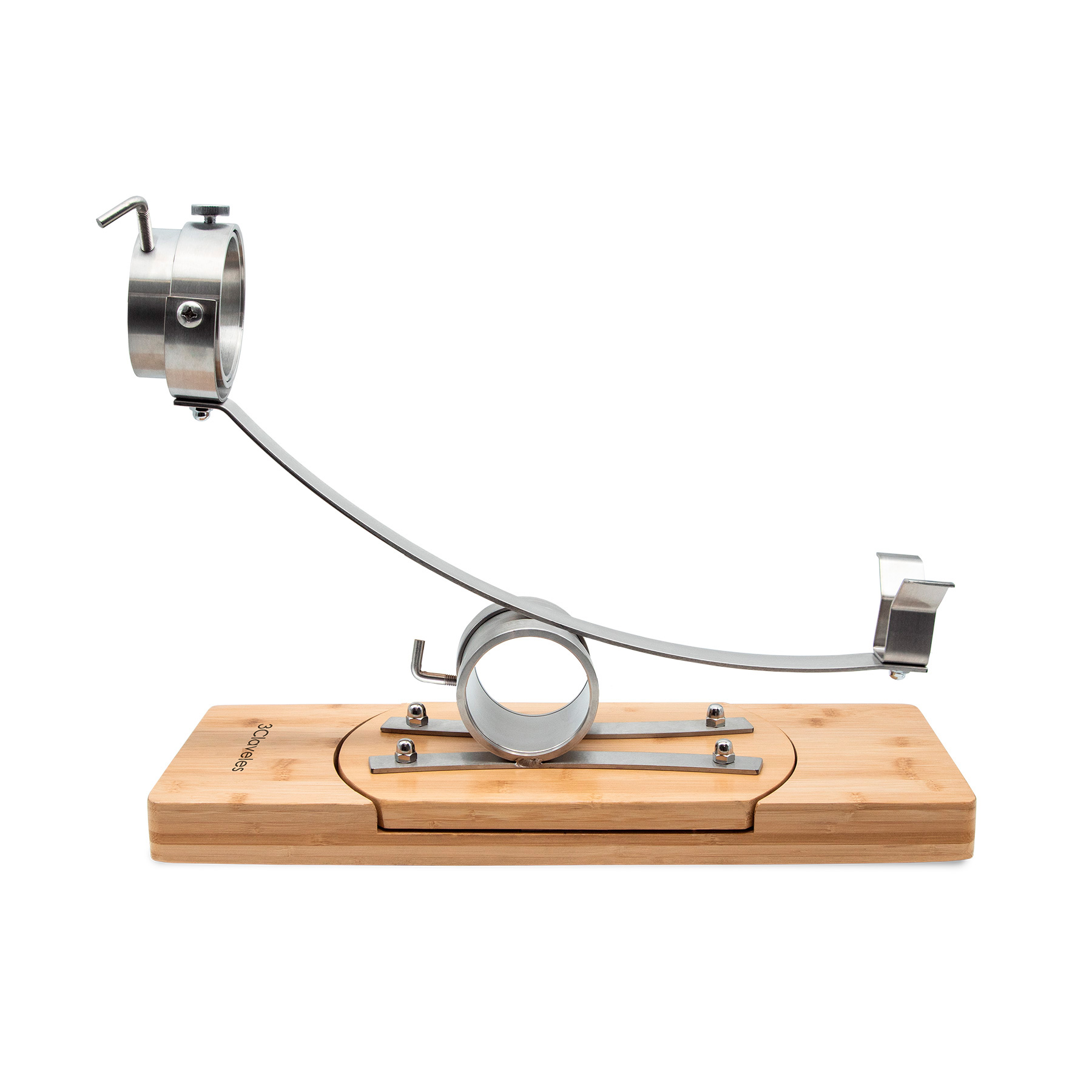
  • A secure ham holder to keep the piece stable and prevent accidents,
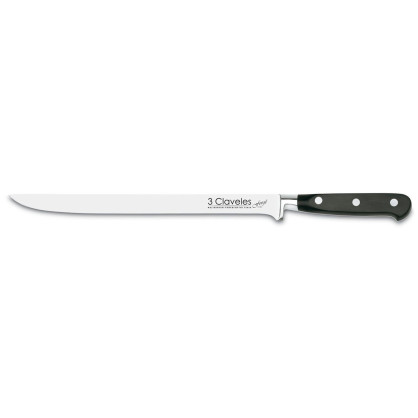
  • A flexible ham knife to yield thin slices
  • A short, sturdy knife (like a boning knife) to clean the rind and separate the meat from the bone as you progress.
What length should a good ham knife be?

The typical blade length ranges between 24 and 30 centimeters.

A 24cm or 26cm blade is perfect for home use or small shoulder hams (paletillas), while 28cm or 30cm blades are highly recommended for large hams or professional deli use, as they cover the width of the piece more effectively.

What is the difference between a flexible and a rigid ham knife?

A flexible knife bends slightly to follow the natural contours of the ham and trim around bones easily, making it the most popular and comfortable choice for most users.

A rigid or semi-flexible ham knife offers more directional control and is preferred by some professionals for firmer or more intensely cured sections.

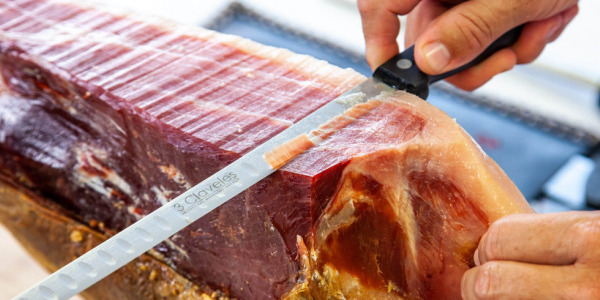
What is the purpose of the hollows (dimples) on a ham knife?

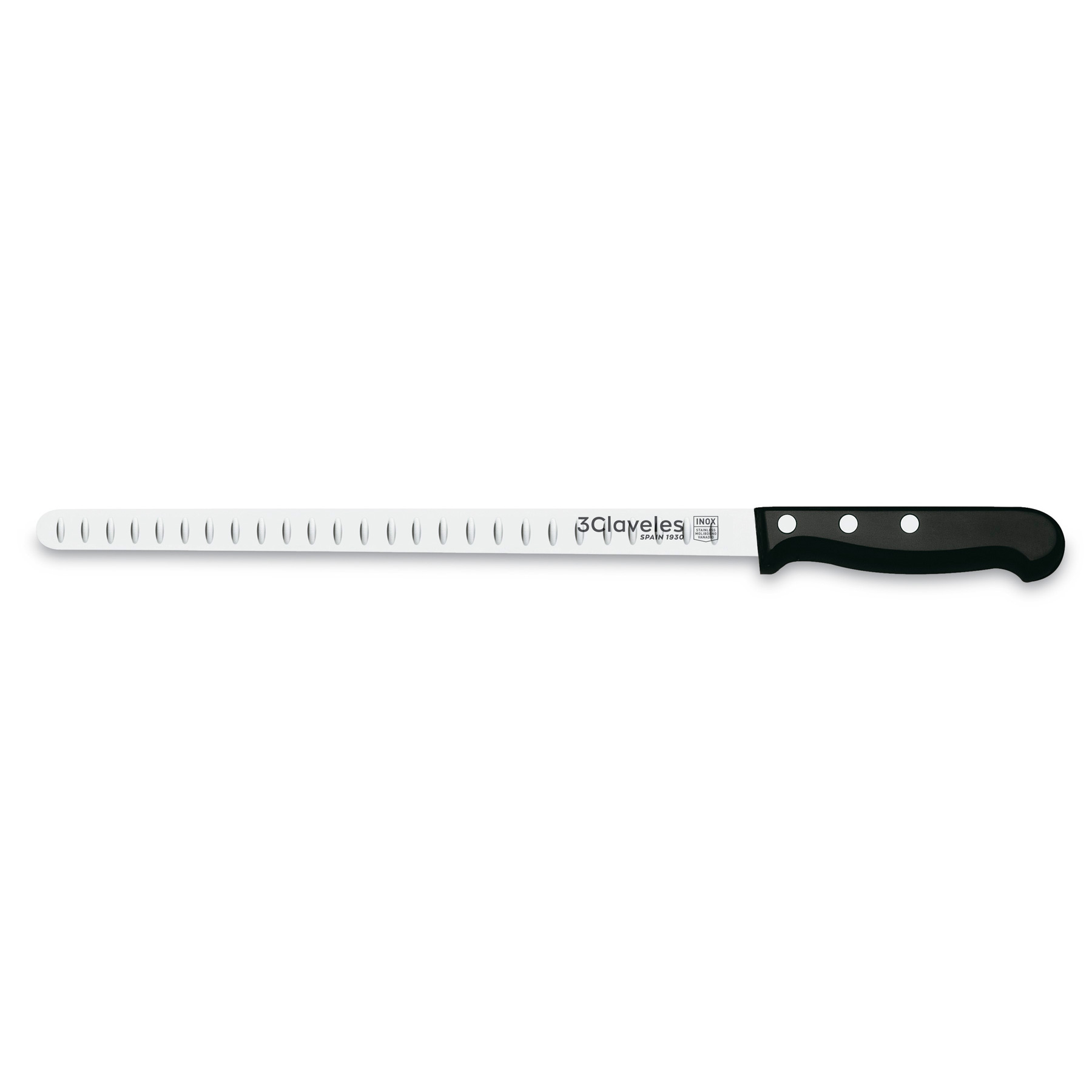
The dimples create small air pockets between the steel and the ham to prevent thin slices from sticking to the blade. This makes the slicing process smoother, faster, and ensures the slice comes off whole without tearing.

Why shouldn’t I use a ham knife to remove the outer rind?

The outer rind and hard fat layer drain the sharpness of a ham knife immediately.

Using it for trimming will cause the blade to dull quickly and tear the slices later.

To clean away the rind and yellow fat, always use a wider, sturdier kitchen knife (such as a boning or butcher knife).

How do you use a sharpening steel to maintain the knife?

A honing steel does not sharpen a dull blade; it realigns the edge during use.

Slide the knife blade from heel to tip along the rod, maintaining a consistent 15 to 20-degree angle.

A few light passes on each side of the blade before you begin slicing are enough

Professional ham knives and slicing accessories

Slicing ham by hand is a tradition that demands precision and the right tools to maximize the yield of every piece. A proper ham knife is defined by its long, narrow, and thin blade—indispensable features for achieving the paper-thin slices that highlight the taste and aroma of Iberian or Serrano ham. At 3Claveles, we craft our knives from premium stainless steel, ensuring excellent edge retention and the perfect flexibility required to work comfortably on both hams and shoulders.

For advanced enthusiasts and professional charcutiers, choosing between a classic smooth edge and a hollow-ground ham knife is key. Granton-edge models reduce friction, preventing fat from adhering to the blade. To complete your slicing kit, it is equally vital to have preparation knives to clear the rind and boning knives to cleanly separate meat from bone, thereby protecting the edge of your main tool.

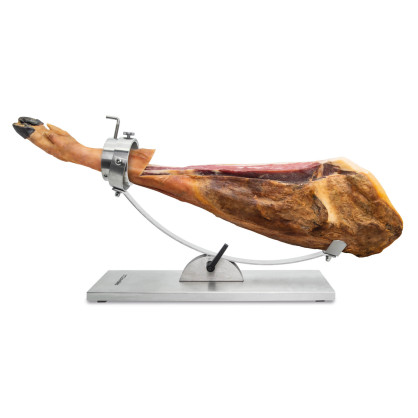
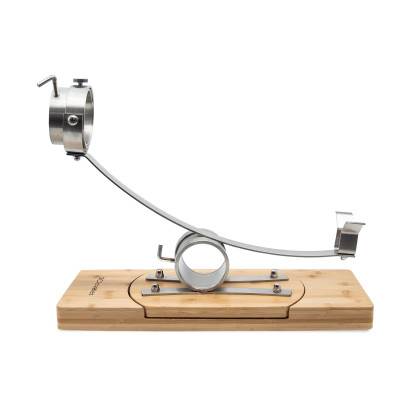
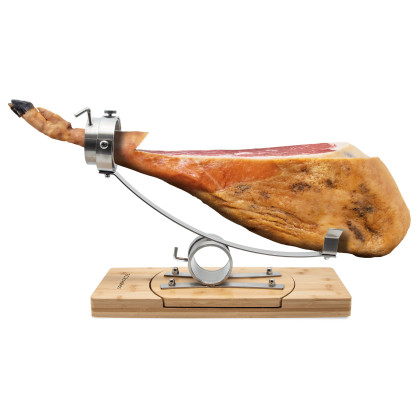
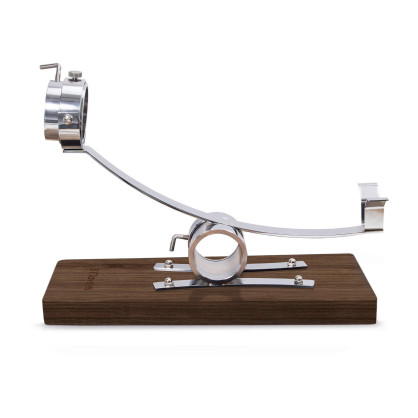
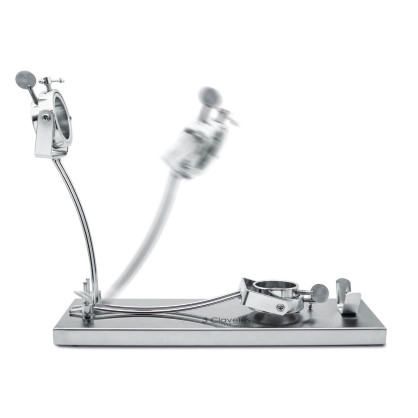
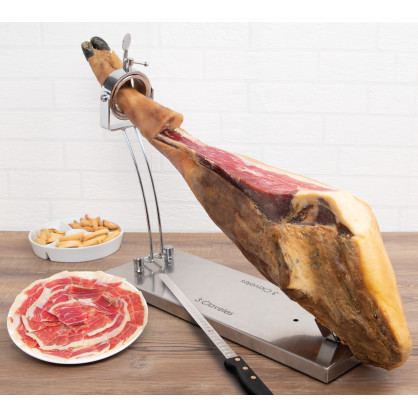
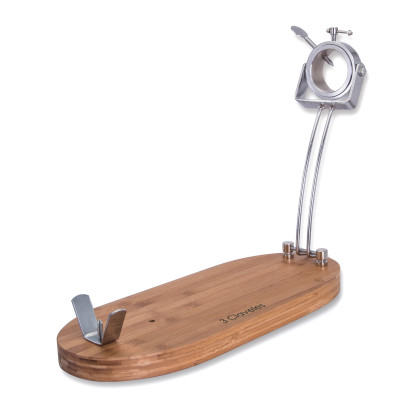
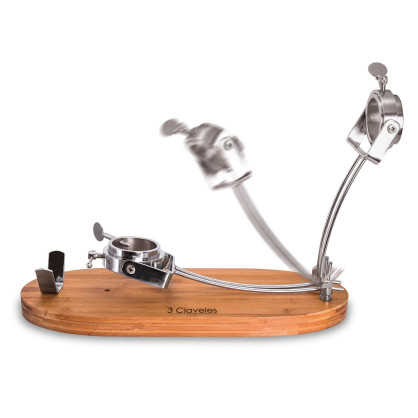
Successful slicing depends on the knife, but stability is just as critical. A heavy-duty, secure ham holder is essential to keep the piece steady and prevent hazardous slips while slicing. Paired with a honing steel to true the edge before each use, these tools guarantee a straight, clean, and uniform cutting surface, allowing you to safely enjoy the ham from the maza to the very tip.

Product added to wishlist